Word Explanation
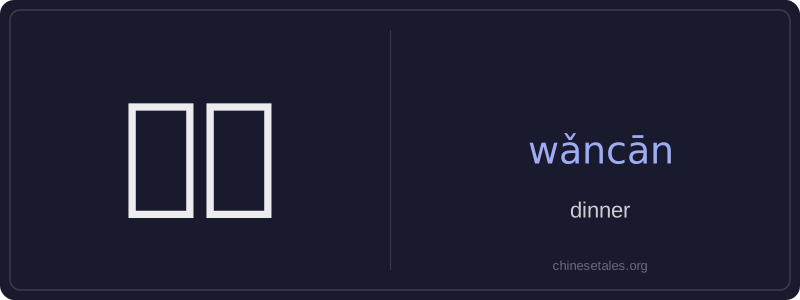
‘晚餐’ literally combines ‘晚’ (wǎn), meaning ‘evening’ or ‘late’, and ‘餐’ (cān), meaning ‘meal’. Together, they form the standard, neutral term for the main meal eaten in the evening—what English speakers call ‘dinner’. It is commonly used in both spoken and written Chinese and carries no strong formality or informality; it’s appropriate for everyday conversation, restaurant menus, schedules, and family planning.
Unlike ‘晚饭’ (wǎnfàn), which is slightly more colloquial and common in northern China, ‘晚餐’ sounds slightly more polished and is often preferred in formal writing, announcements, or service contexts (e.g., hotel brochures or event invitations). It does not imply any specific cuisine or time—it simply denotes the evening meal, typically between 6 p.m. and 8 p.m., though timing may vary by region or household.
Example Sentences
Related Words
国语
‘Guó yǔ’ literally means 'national language'—
面条
‘面条’ (miàn tiáo) literally means ‘flour str
无论谁
‘无论谁’ (wú lùn shéi) is a pronoun meaning
不对
不对 (bù duì) literally combines 不 (bù), meani
外语
‘外语’ literally means ‘outside language’ —
认同
‘认同’ (tóng rèn) is a verb meaning ‘to ident
中学
'Zhōngxué' literally combines 'zhōng' (middle)
背后
背后 literally means 'back + behind' and functions