Word Explanation
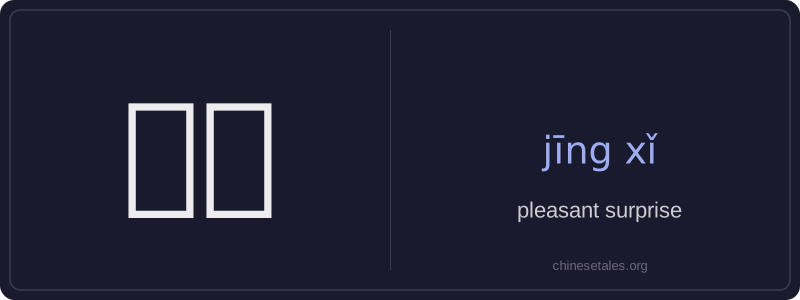
‘惊喜’ (jīng xǐ) is a compound noun meaning ‘pleasant surprise’ — a feeling of happy astonishment when something unexpectedly delightful happens. The first character 惊 (jīng) means ‘to be startled’ or ‘surprised’, often with a neutral or slightly negative connotation on its own; the second character 喜 (xǐ) means ‘joy’ or ‘happiness’. Together, they form a positive compound where the surprise is distinctly welcome and uplifting — not frightening or stressful. This word emphasizes both the suddenness and the delight of the experience.
It’s commonly used in everyday speech to describe gifts, unexpected visits, good news, or small moments of serendipity — like finding your favorite snack in a new store or receiving an encouraging message from a friend you haven’t heard from in years. Unlike the English word ‘surprise’, which can be neutral or negative, ‘惊喜’ always carries warmth and positivity. It frequently appears in spoken Chinese, advertisements (e.g., ‘惊喜优惠’ — ‘surprise discount’), and informal writing.
Example Sentences
Related Words
国语
‘Guó yǔ’ literally means 'national language'—
面条
‘面条’ (miàn tiáo) literally means ‘flour str
无论谁
‘无论谁’ (wú lùn shéi) is a pronoun meaning
不对
不对 (bù duì) literally combines 不 (bù), meani
外语
‘外语’ literally means ‘outside language’ —
认同
‘认同’ (tóng rèn) is a verb meaning ‘to ident
中学
'Zhōngxué' literally combines 'zhōng' (middle)
背后
背后 literally means 'back + behind' and functions