Word Explanation
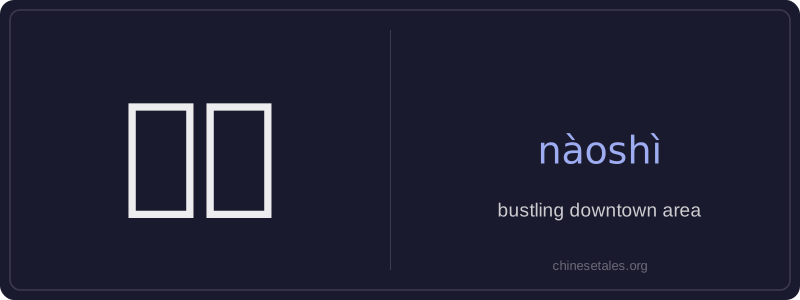
闹市 literally combines 闹 (nào), meaning 'noisy', 'lively', or 'bustling', and 市 (shì), meaning 'market' or 'city'. Together, they refer to a densely populated, energetic urban center — typically the downtown core of a city where shops, restaurants, offices, and crowds converge. It emphasizes vibrancy, activity, and sensory intensity: honking cars, street vendors, flashing signs, and constant movement.
This term is neutral in tone but often carries positive connotations of vitality and convenience. It’s commonly used in both spoken and written Chinese, especially when describing city life, commuting, shopping, or contrasting urban bustle with quiet suburban or rural areas. While it can appear in formal contexts like news reports or travel guides, it’s also frequent in everyday conversation — for example, when choosing where to meet friends or describing traffic conditions.
Example Sentences
Related Words
国语
‘Guó yǔ’ literally means 'national language'—
面条
‘面条’ (miàn tiáo) literally means ‘flour str
无论谁
‘无论谁’ (wú lùn shéi) is a pronoun meaning
不对
不对 (bù duì) literally combines 不 (bù), meani
外语
‘外语’ literally means ‘outside language’ —
认同
‘认同’ (tóng rèn) is a verb meaning ‘to ident
中学
'Zhōngxué' literally combines 'zhōng' (middle)
背后
背后 literally means 'back + behind' and functions