Word Explanation
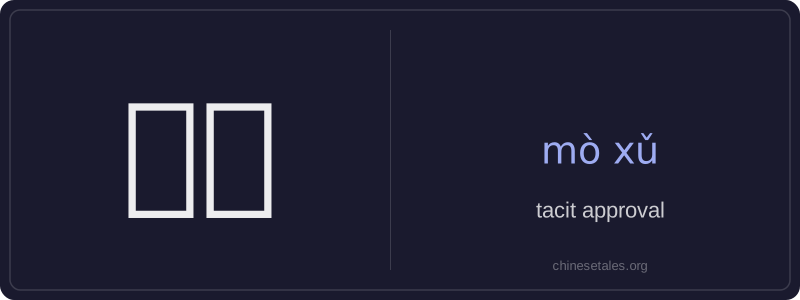
默许 (mò xǔ) literally combines 默 (mò), meaning 'silent' or 'unspoken', and 许 (xǔ), meaning 'to permit' or 'to approve'. Together, they form a noun meaning 'tacit approval' — consent given not through words or formal agreement, but through silence, inaction, or passive acceptance. It implies that someone chooses not to object or intervene, thereby implicitly endorsing an action or situation.
This term is commonly used in social, workplace, and family contexts where explicit permission isn’t voiced but behavior signals acceptance — for example, a manager who doesn’t stop an employee from working overtime may be seen as giving 默许. It often carries subtle nuance: the approver may wish to avoid confrontation, maintain harmony, or preserve plausible deniability. Because it hinges on absence rather than affirmation, 默许 can sometimes lead to misunderstandings if intentions aren’t clarified.
Example Sentences
Related Words
国语
‘Guó yǔ’ literally means 'national language'—
面条
‘面条’ (miàn tiáo) literally means ‘flour str
无论谁
‘无论谁’ (wú lùn shéi) is a pronoun meaning
不对
不对 (bù duì) literally combines 不 (bù), meani
外语
‘外语’ literally means ‘outside language’ —
认同
‘认同’ (tóng rèn) is a verb meaning ‘to ident
中学
'Zhōngxué' literally combines 'zhōng' (middle)
背后
背后 literally means 'back + behind' and functions