Word Explanation
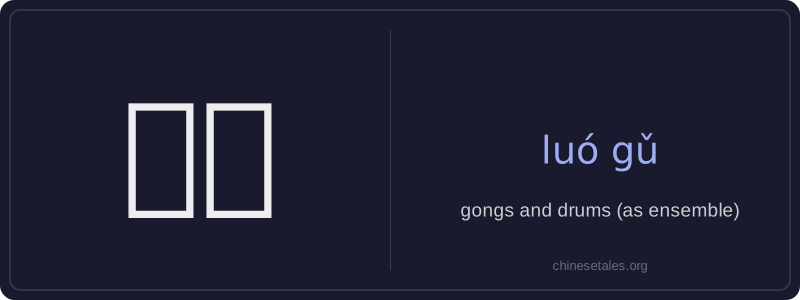
‘锣鼓’ (luó gǔ) is a compound noun referring collectively to traditional Chinese gongs and drums—especially when played together as a percussion ensemble. Though each character stands for a distinct instrument—‘锣’ means ‘gong’ (a large, flat, metal disc struck with a mallet) and ‘鼓’ means ‘drum’ (a hollow instrument with stretched membrane)—the term almost always appears as a fixed pair, evoking the loud, rhythmic, celebratory sound associated with folk performances, festivals, and opera.
This word carries strong cultural connotations: it suggests energy, festivity, and communal participation. You’ll hear ‘锣鼓’ in contexts like temple fairs, lion dances, wedding processions, or rural storytelling. It’s rarely used to refer literally to just two instruments sitting silently—it implies active, synchronized performance. The phrase may also appear idiomatically, such as in ‘敲锣打鼓’ (to make a big show), emphasizing public fanfare or commotion.
Example Sentences
Related Words
国语
‘Guó yǔ’ literally means 'national language'—
面条
‘面条’ (miàn tiáo) literally means ‘flour str
无论谁
‘无论谁’ (wú lùn shéi) is a pronoun meaning
不对
不对 (bù duì) literally combines 不 (bù), meani
外语
‘外语’ literally means ‘outside language’ —
认同
‘认同’ (tóng rèn) is a verb meaning ‘to ident
中学
'Zhōngxué' literally combines 'zhōng' (middle)
背后
背后 literally means 'back + behind' and functions