Word Explanation
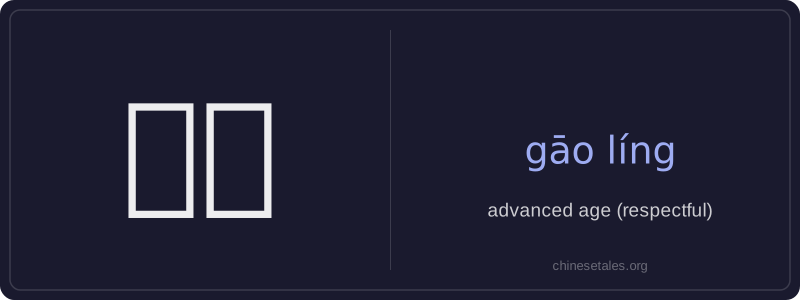
高龄 literally means 'high age' — 高 (gāo) means 'high' or 'advanced', and 龄 (líng) means 'age' or 'years of age'. Together, they form a respectful, formal noun used to refer to advanced old age, typically for people aged 80 or older. It carries a tone of reverence and dignity, commonly appearing in medical, social, or official contexts when discussing elderly care, health risks, or demographic trends.
The term is not used for casual reference to older people in everyday speech; instead, it appears in news reports, policy documents, healthcare discussions, or respectful address (e.g., '高龄老人' — 'elderly person of advanced age'). It avoids the potential condescension of terms like 老人 (lǎorén) alone and emphasizes both longevity and societal respect. While it can technically apply to animals in veterinary contexts, its overwhelmingly dominant usage is human-centered and health-related.
Example Sentences
Related Words
国语
‘Guó yǔ’ literally means 'national language'—
面条
‘面条’ (miàn tiáo) literally means ‘flour str
无论谁
‘无论谁’ (wú lùn shéi) is a pronoun meaning
不对
不对 (bù duì) literally combines 不 (bù), meani
外语
‘外语’ literally means ‘outside language’ —
认同
‘认同’ (tóng rèn) is a verb meaning ‘to ident
中学
'Zhōngxué' literally combines 'zhōng' (middle)
背后
背后 literally means 'back + behind' and functions