Word Explanation
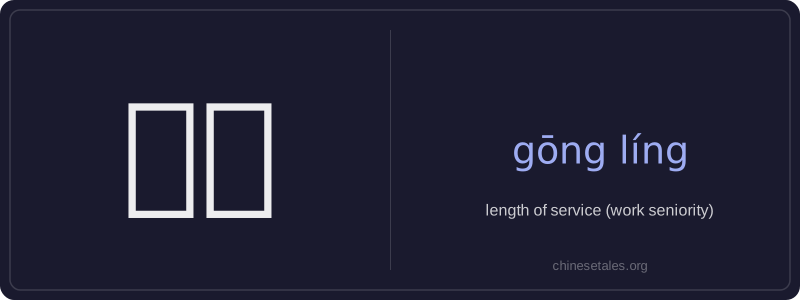
‘Gōng líng’ literally combines ‘gōng’ (work, labor) and ‘líng’ (age, years of life), so it means ‘work age’ — the total number of years a person has been employed, usually in a formal job or within a specific organization. It is a formal, administrative term commonly used in HR contexts, salary calculations, retirement planning, and employee benefits in China.
Unlike casual terms like ‘years of experience’, gōng líng emphasizes continuous, recognized employment — often requiring official documentation such as labor contracts or social insurance records. It may include time spent at different employers if properly transferred, but typically excludes unpaid internships or informal work. The concept reflects institutional seniority rather than skill level, and plays a key role in determining things like severance pay, pension eligibility, and promotion criteria in state-owned or regulated enterprises.
Example Sentences
Related Words
国语
‘Guó yǔ’ literally means 'national language'—
面条
‘面条’ (miàn tiáo) literally means ‘flour str
无论谁
‘无论谁’ (wú lùn shéi) is a pronoun meaning
不对
不对 (bù duì) literally combines 不 (bù), meani
外语
‘外语’ literally means ‘outside language’ —
认同
‘认同’ (tóng rèn) is a verb meaning ‘to ident
中学
'Zhōngxué' literally combines 'zhōng' (middle)
背后
背后 literally means 'back + behind' and functions