Word Explanation
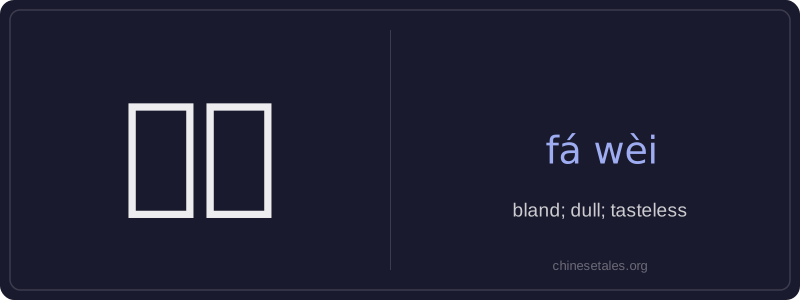
乏味 (fá wèi) is an adjective meaning 'bland,' 'dull,' or 'tasteless'—used both literally (for food lacking flavor) and figuratively (for experiences, conversations, or content that lack interest or excitement). The character 乏 means 'lacking' or 'insufficient,' while 味 means 'taste' or 'flavor.' Together, they literally convey 'a lack of taste,' which extends metaphorically to describe anything unstimulating or monotonous.
This word is commonly used in spoken and written Chinese to criticize or describe something unengaging—such as a lecture, a movie, a meal, or even a person’s personality. It carries a mildly negative, subjective tone and often implies disappointment or boredom rather than strong disapproval. Unlike stronger terms like 无聊 (boring), 乏味 suggests a quiet absence of appeal rather than active annoyance.
Example Sentences
Related Words
国语
‘Guó yǔ’ literally means 'national language'—
面条
‘面条’ (miàn tiáo) literally means ‘flour str
无论谁
‘无论谁’ (wú lùn shéi) is a pronoun meaning
不对
不对 (bù duì) literally combines 不 (bù), meani
外语
‘外语’ literally means ‘outside language’ —
认同
‘认同’ (tóng rèn) is a verb meaning ‘to ident
中学
'Zhōngxué' literally combines 'zhōng' (middle)
背后
背后 literally means 'back + behind' and functions