Word Explanation
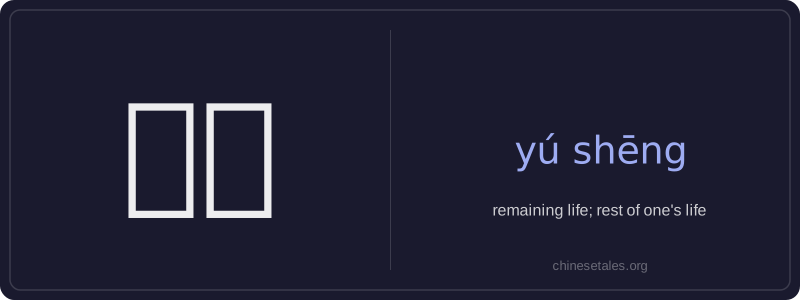
‘余生’ literally combines ‘余’ (yú), meaning ‘remaining’ or ‘leftover’, and ‘生’ (shēng), meaning ‘life’ or ‘existence’. Together, it refers to the remainder of one’s life — often evoking reflection, gratitude, resolve, or quiet determination. It carries a poetic, slightly solemn tone and is commonly used in contexts of personal commitment, emotional renewal, or life after hardship.
The term appears frequently in literature, speeches, social media posts, and heartfelt conversations — especially when someone decides to change their lifestyle, pursue long-held dreams, mend relationships, or live more intentionally. Unlike neutral terms like ‘以后’ (afterwards) or ‘将来’ (future), ‘余生’ emphasizes finitude and personal significance: it’s not just time ahead, but *one’s own remaining time*, imbued with emotional weight and intentionality.
Example Sentences
Related Words
国语
‘Guó yǔ’ literally means 'national language'—
面条
‘面条’ (miàn tiáo) literally means ‘flour str
无论谁
‘无论谁’ (wú lùn shéi) is a pronoun meaning
不对
不对 (bù duì) literally combines 不 (bù), meani
外语
‘外语’ literally means ‘outside language’ —
认同
‘认同’ (tóng rèn) is a verb meaning ‘to ident
中学
'Zhōngxué' literally combines 'zhōng' (middle)
背后
背后 literally means 'back + behind' and functions