Word Explanation
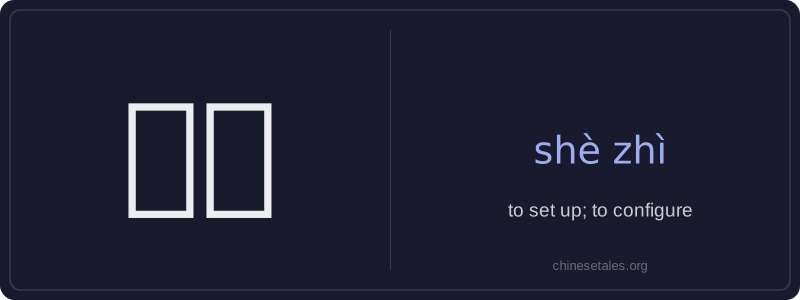
设置 (shè zhì) is a verb meaning 'to set up' or 'to configure' — typically referring to adjusting settings on devices, software, accounts, or systems. The character 设 (shè) means 'to devise', 'to plan', or 'to establish', while 置 (zhì) means 'to place', 'to install', or 'to put in order'. Together, they convey the idea of deliberately arranging or establishing parameters for proper function or personalization.
This word is commonly used in digital and technical contexts — such as setting up Wi-Fi, configuring app preferences, or initializing hardware — but also appears in daily life when arranging physical or procedural setups (e.g., setting up a meeting room or security system). It's formal and neutral in register, frequently appearing in instructions, menus, and user manuals. Unlike more casual verbs like 调整 (tiáo zhěng, 'to adjust') or 改 (gǎi, 'to change'), 设置 implies an initial or deliberate configuration rather than modification of something already active.
Example Sentences
Related Words
国语
‘Guó yǔ’ literally means 'national language'—
无论谁
‘无论谁’ (wú lùn shéi) is a pronoun meaning
外语
‘外语’ literally means ‘outside language’ —
面条
‘面条’ (miàn tiáo) literally means ‘flour str
认同
‘认同’ (tóng rèn) is a verb meaning ‘to ident
违规
违规 (wéi guī) literally means 'to violate rules
亲笔
‘亲笔’ literally means ‘one’s own hand’—comb
不对
不对 (bù duì) literally combines 不 (bù), meani