Word Explanation
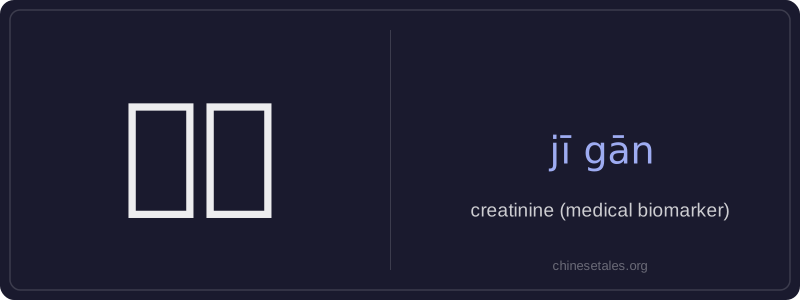
肌酐 (jī gān) is a medical term referring to creatinine — a waste product generated from normal muscle metabolism and filtered out of the blood by the kidneys. The character 肌 means 'muscle', reflecting its origin in muscle tissue, while 酐 (gān) is a chemical suffix denoting an 'anhydride', indicating its molecular structure as a cyclic compound derived from glycine and other amino acids. Together, the characters literally signal 'muscle-derived anhydride'.
Clinically, serum or urine creatinine levels are routinely measured to assess kidney function — elevated levels often suggest impaired filtration, such as in chronic kidney disease or acute kidney injury. It’s commonly discussed in hospital settings, lab reports, and patient education materials about renal health. Unlike many Chinese medical terms borrowed from Japanese or Western languages, 肌酐 is a native calque, constructed using standard scientific character semantics rather than phonetic transliteration.
Example Sentences
Related Words
国语
‘Guó yǔ’ literally means 'national language'—
无论谁
‘无论谁’ (wú lùn shéi) is a pronoun meaning
外语
‘外语’ literally means ‘outside language’ —
面条
‘面条’ (miàn tiáo) literally means ‘flour str
认同
‘认同’ (tóng rèn) is a verb meaning ‘to ident
违规
违规 (wéi guī) literally means 'to violate rules
亲笔
‘亲笔’ literally means ‘one’s own hand’—comb
不对
不对 (bù duì) literally combines 不 (bù), meani