Word Explanation
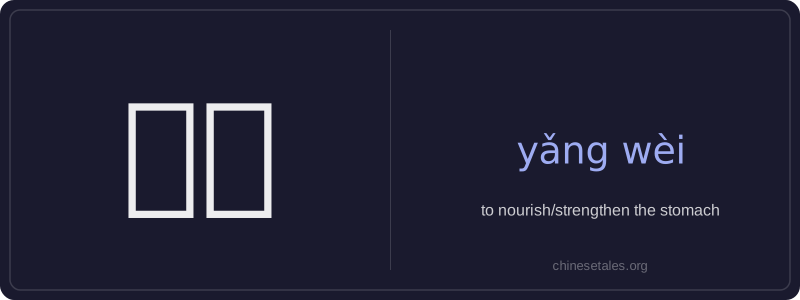
‘Yǎng wèi’ literally means 'to nourish the stomach' — combining 养 (yǎng), meaning 'to nourish, cultivate, or maintain,' and 胃 (wèi), meaning 'stomach.' It refers to dietary, lifestyle, or herbal practices aimed at supporting digestive health, soothing gastric discomfort, improving appetite, or recovering from stomach-related issues like gastritis or indigestion. This term is commonly used in traditional Chinese medicine (TCM) contexts and everyday wellness advice.
In practice, ‘yǎng wèi’ involves eating warm, soft, easily digestible foods (e.g., congee, ginger tea, steamed vegetables), avoiding cold, spicy, or greasy items, and maintaining regular mealtimes. It’s not just about treating illness but also about long-term stomach care — much like ‘toning’ or ‘supporting’ a vital organ. You’ll often hear it in doctor-patient consultations, health articles, or family advice, especially for people with sensitive digestion or recovering from illness.
Example Sentences
Related Words
国语
‘Guó yǔ’ literally means 'national language'—
无论谁
‘无论谁’ (wú lùn shéi) is a pronoun meaning
外语
‘外语’ literally means ‘outside language’ —
面条
‘面条’ (miàn tiáo) literally means ‘flour str
认同
‘认同’ (tóng rèn) is a verb meaning ‘to ident
违规
违规 (wéi guī) literally means 'to violate rules
亲笔
‘亲笔’ literally means ‘one’s own hand’—comb
不对
不对 (bù duì) literally combines 不 (bù), meani