Word Explanation
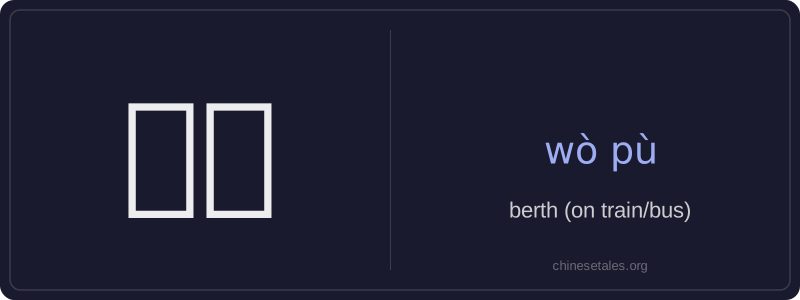
'Wòpù' literally combines 卧 (wò), meaning 'to lie down' or 'reclining', and 铺 (pù), meaning 'bed' or 'sleeping platform'. Together, they refer specifically to a sleeping berth on long-distance trains or some overnight buses in China—typically arranged in tiers (upper, middle, lower) with bedding provided. Unlike regular seats, a wòpù is designed for overnight travel and offers more privacy and comfort.
This term is used almost exclusively in transportation contexts—especially when booking tickets or describing accommodation on rail or coach services. It’s not used for beds in hotels or homes; those are called 床 (chuáng). You’ll see wòpù options listed clearly on ticketing platforms like 12306, often with price and comfort distinctions (e.g., 软卧 ruǎnwò 'soft berth' vs. 硬卧 yìngwò 'hard berth'). The word carries no emotional or figurative connotation—it’s functional, practical, and deeply tied to China’s extensive rail network.
Example Sentences
Related Words
国语
‘Guó yǔ’ literally means 'national language'—
无论谁
‘无论谁’ (wú lùn shéi) is a pronoun meaning
外语
‘外语’ literally means ‘outside language’ —
亲笔
‘亲笔’ literally means ‘one’s own hand’—comb
我的
我的 (wǒ de) is a possessive pronoun meaning 'my'
面条
‘面条’ (miàn tiáo) literally means ‘flour str
认为
‘认为’ (rèn wéi) is a transitive verb meaning
认同
‘认同’ (tóng rèn) is a verb meaning ‘to ident