Word Explanation
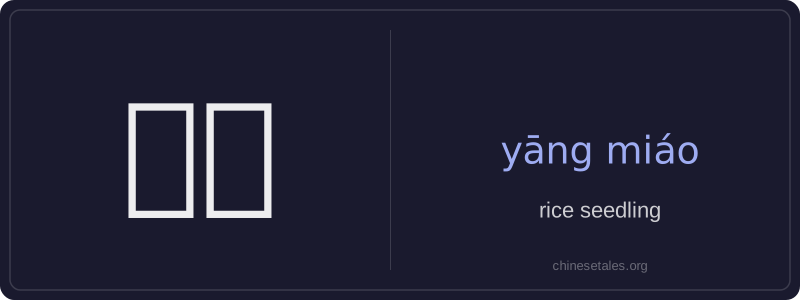
秧苗 (yāng miáo) literally combines 秧 (yāng), meaning 'rice seedling' or 'young rice plant', and 苗 (miáo), meaning 'sprout', 'seedling', or 'young plant'. Together, they specifically refer to young rice plants that have been grown in a nursery and are ready to be transplanted into flooded paddies. This term is used almost exclusively for rice — not other crops — and emphasizes the delicate, early growth stage before field planting.
In Chinese agricultural contexts, 秧苗 carries cultural and seasonal weight: it appears in spring farming activities, poetry about rural life, and idioms like 秧苗青青 (yāng miáo qīng qīng, 'lush green seedlings'), symbolizing hope and renewal. While 苗 alone can refer to seedlings of many plants (e.g., 菜苗 cài miáo 'vegetable seedling'), adding 秧 restricts the meaning to rice only. The word is neutral in register and common in both spoken and written descriptions of farming.
Example Sentences
Related Words
国语
‘Guó yǔ’ literally means 'national language'—
无论谁
‘无论谁’ (wú lùn shéi) is a pronoun meaning
外语
‘外语’ literally means ‘outside language’ —
亲笔
‘亲笔’ literally means ‘one’s own hand’—comb
短袜
‘短袜’ (duǎn wà) literally means ‘short sock
违规
违规 (wéi guī) literally means 'to violate rules
我的
我的 (wǒ de) is a possessive pronoun meaning 'my'
不对
不对 (bù duì) literally combines 不 (bù), meani