Word Explanation
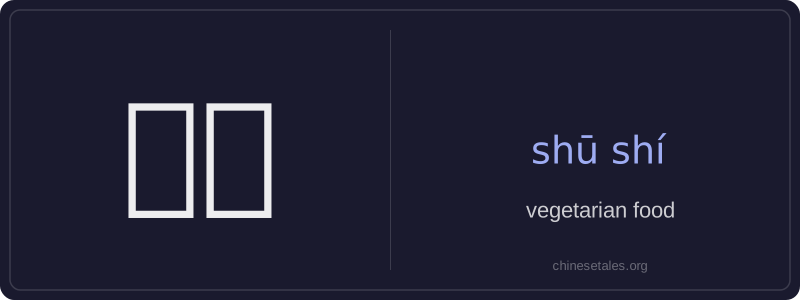
蔬食 literally means 'vegetable food' — 蔬 (shū) refers to vegetables, herbs, and leafy greens, while 食 (shí) means 'food' or 'to eat'. Together, they form a formal, literary term for vegetarian food — meals that contain no meat, poultry, or fish, and often exclude other animal-derived ingredients like eggs or dairy (though usage varies by context). It emphasizes plant-based nourishment and is commonly used in health, ethical, or traditional Chinese cultural discussions about diet.
The term carries a classical, somewhat refined tone — you’ll see it in Buddhist texts, wellness articles, or restaurant menus promoting simple, natural eating. Unlike the more colloquial 素食 (sù shí), which is the everyday word for 'vegetarian food', 蔬食 sounds more deliberate and holistic, often implying seasonal, whole-food, or minimally processed plant-based eating. It’s not typically used in casual speech but appears frequently in writing, health education, and dietary guidelines.
Example Sentences
Related Words
国语
‘Guó yǔ’ literally means 'national language'—
无论谁
‘无论谁’ (wú lùn shéi) is a pronoun meaning
外语
‘外语’ literally means ‘outside language’ —
亲笔
‘亲笔’ literally means ‘one’s own hand’—comb
认同
‘认同’ (tóng rèn) is a verb meaning ‘to ident
短袜
‘短袜’ (duǎn wà) literally means ‘short sock
违规
违规 (wéi guī) literally means 'to violate rules
我的
我的 (wǒ de) is a possessive pronoun meaning 'my'