Word Explanation
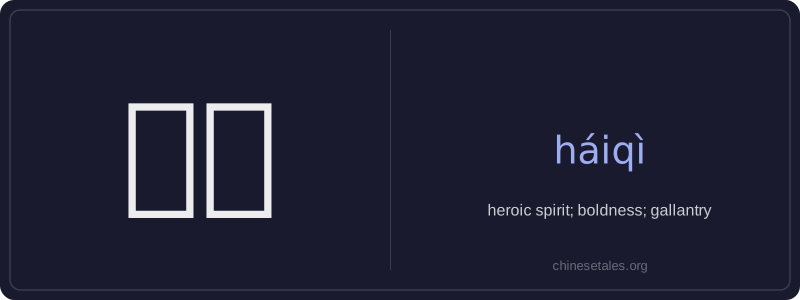
豪气 (háiqì) literally combines 豪 (háo), meaning 'heroic', 'magnificent', or 'unrestrained', and 气 (qì), meaning 'spirit', 'vital energy', or 'air'. Together, they convey a strong, uplifting inner quality — the bold, fearless, and noble spirit often associated with legendary heroes, righteous warriors, or charismatic leaders. It’s not just confidence; it’s moral courage combined with vigor and generosity of spirit.
This word appears frequently in classical literature, historical narratives, and modern media describing admirable characters — especially those who act selflessly, defy injustice, or face danger without flinching. While it carries a traditional, slightly literary tone, it remains widely understood and used in speech and writing to praise someone’s inspiring presence or decisive action. It evokes admiration rather than mere bravado, distinguishing it from simpler terms for 'boldness' that lack moral weight.
Example Sentences
Related Words
国语
‘Guó yǔ’ literally means 'national language'—
无论谁
‘无论谁’ (wú lùn shéi) is a pronoun meaning
不对
不对 (bù duì) literally combines 不 (bù), meani
外语
‘外语’ literally means ‘outside language’ —
违规
违规 (wéi guī) literally means 'to violate rules
亲笔
‘亲笔’ literally means ‘one’s own hand’—comb
我的
我的 (wǒ de) is a possessive pronoun meaning 'my'
面条
‘面条’ (miàn tiáo) literally means ‘flour str