Word Explanation
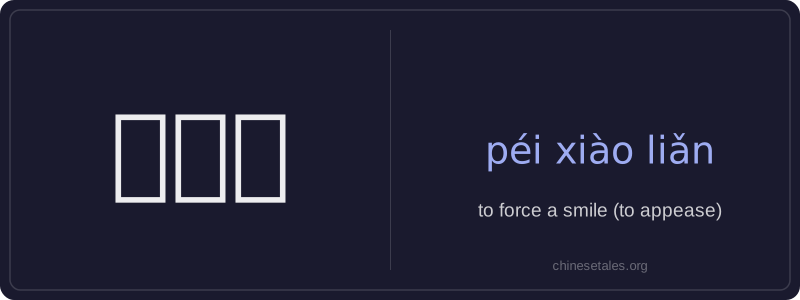
'Péi xiào liǎn' literally means 'to compensate with a smile' — the character 赔 (péi) implies offering something to make up for a situation, 笑 (xiào) means 'smile', and 脸 (liǎn) means 'face'. Together, they describe the act of forcing or putting on a smile not out of genuine amusement or warmth, but to appease someone, smooth over tension, or avoid conflict — often when one feels embarrassed, guilty, subordinate, or anxious about disapproval.
This expression carries a subtle nuance of discomfort or reluctance; the smile is performative, not sincere. It’s commonly used in interpersonal situations involving authority figures (e.g., bosses, elders), service interactions, or after making a mistake. Unlike neutral terms like 'smile', 赔笑脸 conveys emotional effort and social pressure — it suggests the smiler is sacrificing authenticity for harmony or self-preservation.
Example Sentences
Related Words
国语
‘Guó yǔ’ literally means 'national language'—
无论谁
‘无论谁’ (wú lùn shéi) is a pronoun meaning
不对
不对 (bù duì) literally combines 不 (bù), meani
外语
‘外语’ literally means ‘outside language’ —
违规
违规 (wéi guī) literally means 'to violate rules
亲笔
‘亲笔’ literally means ‘one’s own hand’—comb
我的
我的 (wǒ de) is a possessive pronoun meaning 'my'
短袜
‘短袜’ (duǎn wà) literally means ‘short sock