Word Explanation
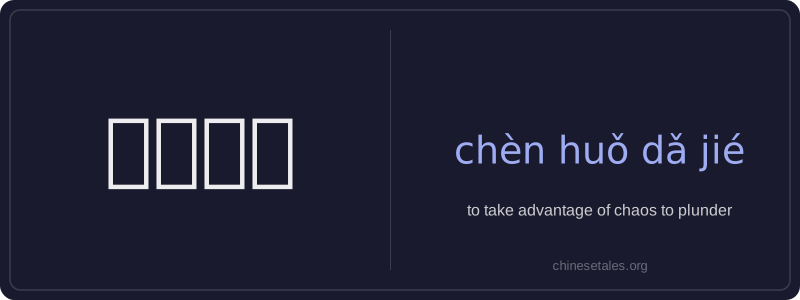
'Chèn huǒ dǎ jié' literally means 'to strike while the fire is burning' — a vivid metaphor where 'fire' symbolizes chaos, crisis, or disorder, and 'striking to plunder' represents seizing the opportunity to exploit the situation for personal gain. The four characters combine to form an idiom describing opportunistic looting or profiteering during times of turmoil, such as natural disasters, social unrest, or institutional weakness.
This idiom carries strong negative connotations and is often used in formal writing, news reports, or moral commentary to criticize unethical behavior. It's not limited to literal robbery; it can refer to price gouging during emergencies, corporate takeovers amid market panic, or political maneuvering during leadership crises. Though rooted in classical Chinese, it remains actively used in modern Mandarin to condemn exploitative conduct under cover of chaos.
Example Sentences
Related Words
国语
‘Guó yǔ’ literally means 'national language'—
无论谁
‘无论谁’ (wú lùn shéi) is a pronoun meaning
不对
不对 (bù duì) literally combines 不 (bù), meani
外语
‘外语’ literally means ‘outside language’ —
违规
违规 (wéi guī) literally means 'to violate rules
亲笔
‘亲笔’ literally means ‘one’s own hand’—comb
我的
我的 (wǒ de) is a possessive pronoun meaning 'my'
短袜
‘短袜’ (duǎn wà) literally means ‘short sock