Word Explanation
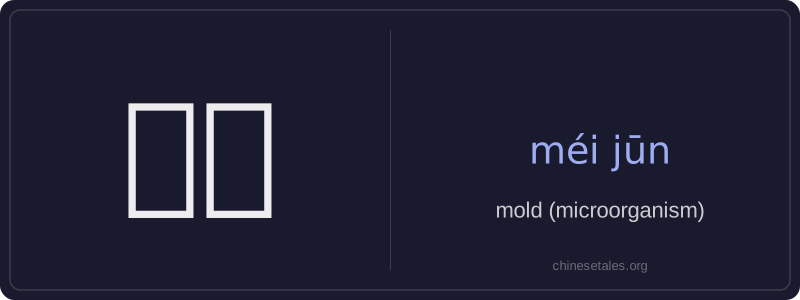
霉菌 (méi jūn) literally combines 霉 (méi), meaning 'mold' or 'mildew', and 菌 (jūn), meaning 'microorganism' or 'bacterium'. Together, they refer specifically to mold — a type of microscopic fungus that grows in damp, warm environments. Unlike bacteria, mold reproduces via airborne spores and often appears as fuzzy patches in colors like green, black, or white on food, walls, or fabrics.
This term is commonly used in health, food safety, and household contexts. It carries a neutral-to-negative connotation, especially when discussing contamination, allergies, or respiratory issues caused by indoor mold exposure. In scientific or medical settings, it’s preferred over colloquial terms like 霉 (méi) alone, which may refer more generally to discoloration or spoilage without specifying the microbial cause.
Example Sentences
Related Words
国语
‘Guó yǔ’ literally means 'national language'—
无论谁
‘无论谁’ (wú lùn shéi) is a pronoun meaning
不对
不对 (bù duì) literally combines 不 (bù), meani
外语
‘外语’ literally means ‘outside language’ —
违规
违规 (wéi guī) literally means 'to violate rules
亲笔
‘亲笔’ literally means ‘one’s own hand’—comb
我的
我的 (wǒ de) is a possessive pronoun meaning 'my'
短袜
‘短袜’ (duǎn wà) literally means ‘short sock