Word Explanation
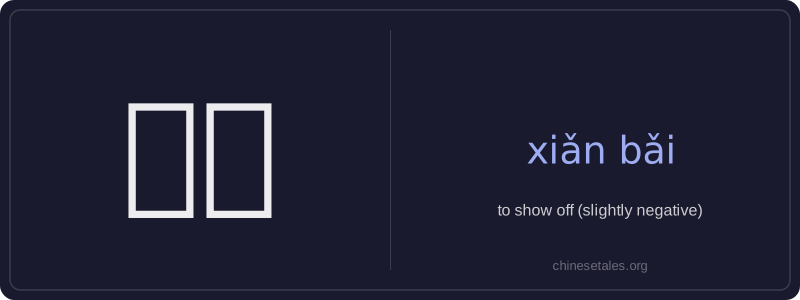
显摆 (xiǎn bǎi) is a colloquial verb meaning 'to show off' — usually with a sense of unnecessary, boastful, or slightly irritating display of possessions, skills, status, or achievements. The character 显 means 'to show' or 'to appear', and 摆 means 'to place' or 'to arrange'; together, they evoke the image of deliberately arranging oneself or one's belongings in plain sight for others to notice and admire. It carries a mild negative connotation: the speaker often implies the showing off is superficial, insecure, or socially inappropriate.
This word is commonly used in informal speech among friends, family, or colleagues — especially when commenting on someone’s flashy clothing, expensive gadgets, exaggerated stories, or ostentatious behavior. It rarely appears in formal writing or official contexts. Unlike neutral terms like 展示 (to display), 显摆 always suggests an element of vanity or lack of subtlety, and it’s frequently used with a tone of gentle teasing or light criticism.
Example Sentences
Related Words
国语
‘Guó yǔ’ literally means 'national language'—
无论谁
‘无论谁’ (wú lùn shéi) is a pronoun meaning
不对
不对 (bù duì) literally combines 不 (bù), meani
外语
‘外语’ literally means ‘outside language’ —
违规
违规 (wéi guī) literally means 'to violate rules
亲笔
‘亲笔’ literally means ‘one’s own hand’—comb
我的
我的 (wǒ de) is a possessive pronoun meaning 'my'
短袜
‘短袜’ (duǎn wà) literally means ‘short sock