Word Explanation
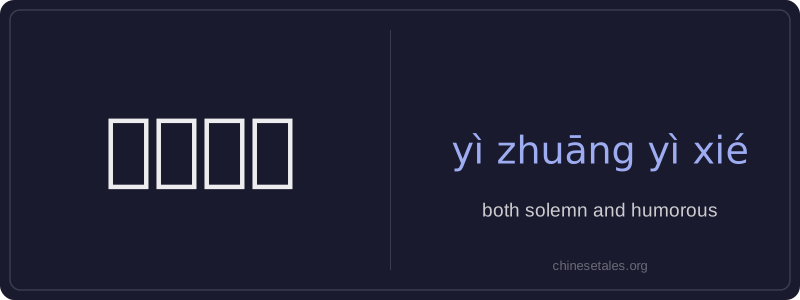
'Yì zhuāng yì xié' literally means 'both solemn and humorous' — it describes a style, tone, or manner that skillfully blends seriousness and lightheartedness. The word is composed of two parallel structures: 'yì... yì...' ('both... and...'), with 'zhuāng' meaning dignified, earnest, or formal (often used in contexts like 'zhuāngzhòng' — solemn), and 'xié' meaning harmonious, witty, or humorous (as in 'fēngqù yōumò' or 'xīngqù'). This balance isn’t contradictory but complementary — like a teacher who delivers profound ideas with gentle humor, or a speech that moves the audience while making them smile.
The phrase is commonly used to praise writing, speaking, teaching, or artistic expression that avoids being overly stiff or frivolous. It’s a refined, literary term often found in literary criticism, commentary on speeches or essays, or descriptions of personality and rhetorical style. While not colloquial in daily conversation, it appears frequently in formal reviews, cultural journalism, and educated discourse — signaling appreciation for nuanced, emotionally intelligent communication.
Example Sentences
Related Words
国语
‘Guó yǔ’ literally means 'national language'—
无论谁
‘无论谁’ (wú lùn shéi) is a pronoun meaning
不对
不对 (bù duì) literally combines 不 (bù), meani
外语
‘外语’ literally means ‘outside language’ —
违规
违规 (wéi guī) literally means 'to violate rules
亲笔
‘亲笔’ literally means ‘one’s own hand’—comb
我的
我的 (wǒ de) is a possessive pronoun meaning 'my'
面条
‘面条’ (miàn tiáo) literally means ‘flour str