Word Explanation
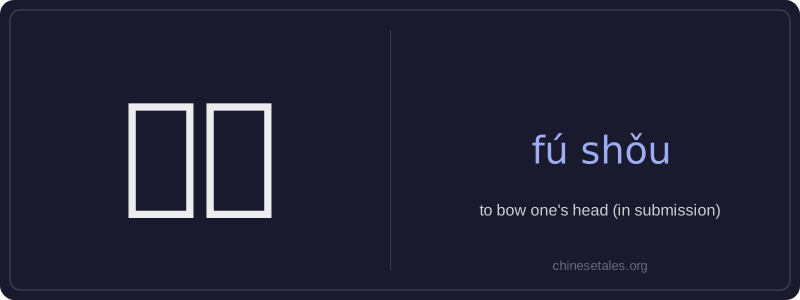
‘伏首’ literally means ‘to lower (fú) the head (shǒu)’, and it carries a strong connotative meaning of submission, humility, or surrender—often voluntary but sometimes under pressure. The character 伏 suggests bending down, lying prostrate, or yielding, while 首 means ‘head’ and symbolizes one’s dignity or authority. Together, they evoke a physical gesture that reflects inner resignation or deference.
This term is mostly literary or formal, appearing in classical texts, historical narratives, political discourse, or solemn speeches. It’s rarely used in casual daily conversation. While it can describe literal bowing, its primary function is figurative—to express yielding to authority, accepting defeat, or acknowledging superiority without resistance. It often implies emotional weight: shame, reverence, or reluctant compliance—not just polite respect.
Example Sentences
Related Words
国语
‘Guó yǔ’ literally means 'national language'—
无论谁
‘无论谁’ (wú lùn shéi) is a pronoun meaning
外语
‘外语’ literally means ‘outside language’ —
不对
不对 (bù duì) literally combines 不 (bù), meani
违规
违规 (wéi guī) literally means 'to violate rules
亲笔
‘亲笔’ literally means ‘one’s own hand’—comb
我的
我的 (wǒ de) is a possessive pronoun meaning 'my'
面条
‘面条’ (miàn tiáo) literally means ‘flour str