Word Explanation
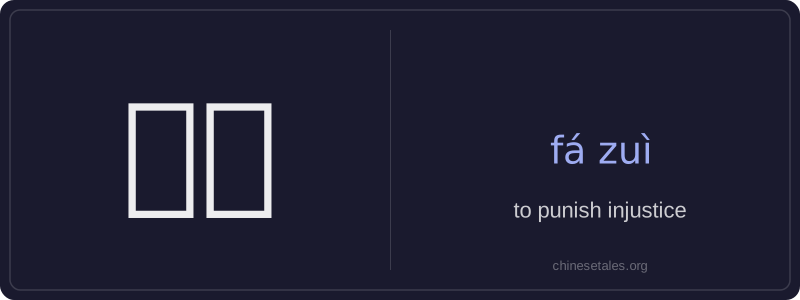
‘伐罪’ literally means ‘to attack injustice’ — ‘伐’ (fá) means ‘to attack, punish, or chastise’, and ‘罪’ (zuì) means ‘crime, guilt, or wrongdoing’. Together, the term expresses a moral or righteous act of punishing evil or correcting grave injustice, often in a formal, historical, or literary context. It carries strong connotations of legitimacy, justice, and moral authority — not mere retribution, but a justified campaign against oppression or tyranny.
This phrase is highly classical and formal, rooted in ancient Chinese political philosophy and historiography (e.g., texts like the Book of Documents). It appears most frequently in historical narratives, official proclamations, or rhetorical speeches invoking moral justification for action. Modern usage is rare in daily speech but persists in formal writing, political discourse, or literary allusions to convey solemn, principled condemnation of serious wrongdoing.
Example Sentences
Related Words
国语
‘Guó yǔ’ literally means 'national language'—
无论谁
‘无论谁’ (wú lùn shéi) is a pronoun meaning
外语
‘外语’ literally means ‘outside language’ —
不对
不对 (bù duì) literally combines 不 (bù), meani
违规
违规 (wéi guī) literally means 'to violate rules
亲笔
‘亲笔’ literally means ‘one’s own hand’—comb
我的
我的 (wǒ de) is a possessive pronoun meaning 'my'
面条
‘面条’ (miàn tiáo) literally means ‘flour str