Word Explanation
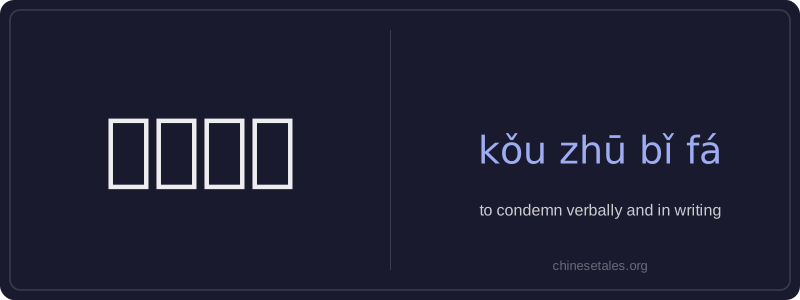
‘口诛笔伐’ is a classical four-character idiom meaning to condemn someone or something both verbally (‘kǒu zhū’, literally ‘mouth condemns’) and in writing (‘bǐ fá’, literally ‘brush attacks’). The characters combine vividly: 口 (mouth) represents spoken criticism; 诛 (to punish, to condemn) conveys moral censure; 笔 (writing brush) symbolizes written expression; and 伐 (to attack, to campaign against) implies vigorous, public opposition. Together, they evoke a coordinated, forceful effort to denounce wrongdoing through all available communicative channels.
This idiom is commonly used in formal, journalistic, or literary contexts—especially when describing collective public criticism of unethical behavior, corruption, or social injustice. Though it originates from classical Chinese, it remains current in modern standard Mandarin, often appearing in editorials, academic discourse, or political commentary. It carries a strong moral tone and implies righteousness, seriousness, and widespread consensus in condemnation.
Example Sentences
Related Words
国语
‘Guó yǔ’ literally means 'national language'—
无论谁
‘无论谁’ (wú lùn shéi) is a pronoun meaning
外语
‘外语’ literally means ‘outside language’ —
不对
不对 (bù duì) literally combines 不 (bù), meani
违规
违规 (wéi guī) literally means 'to violate rules
亲笔
‘亲笔’ literally means ‘one’s own hand’—comb
我的
我的 (wǒ de) is a possessive pronoun meaning 'my'
面条
‘面条’ (miàn tiáo) literally means ‘flour str