Word Explanation
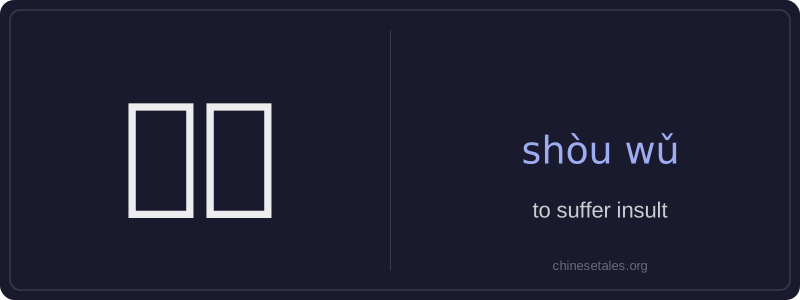
受侮 is a formal, literary verb meaning 'to suffer insult' or 'to be subjected to humiliation'. It combines 受 (shòu), meaning 'to receive' or 'to undergo', and 侮 (wǔ), meaning 'insult', 'disgrace', or 'contempt'. Together, they convey the passive experience of enduring disrespectful treatment—often implying power imbalance, injustice, or violation of dignity. The word carries strong emotional weight and suggests moral injury rather than mere annoyance.
This term appears frequently in historical texts, political discourse, legal contexts, and solemn speeches—especially when describing national dignity, personal honor, or social injustice. It is rarely used in casual conversation; speakers typically choose simpler alternatives like 被侮辱 (bèi wǔrǔ) or 被欺负 (bèi qīfu) in everyday speech. Because it emphasizes passive endurance and moral gravity, 受侮 often co-occurs with words like 民族 (mínzú, 'nation'), 尊严 (zūnyán, 'dignity'), or 不堪 (bùkān, 'unbearable').
Example Sentences
Related Words
国语
‘Guó yǔ’ literally means 'national language'—
无论谁
‘无论谁’ (wú lùn shéi) is a pronoun meaning
外语
‘外语’ literally means ‘outside language’ —
不对
不对 (bù duì) literally combines 不 (bù), meani
违规
违规 (wéi guī) literally means 'to violate rules
亲笔
‘亲笔’ literally means ‘one’s own hand’—comb
我的
我的 (wǒ de) is a possessive pronoun meaning 'my'
面条
‘面条’ (miàn tiáo) literally means ‘flour str