Word Explanation
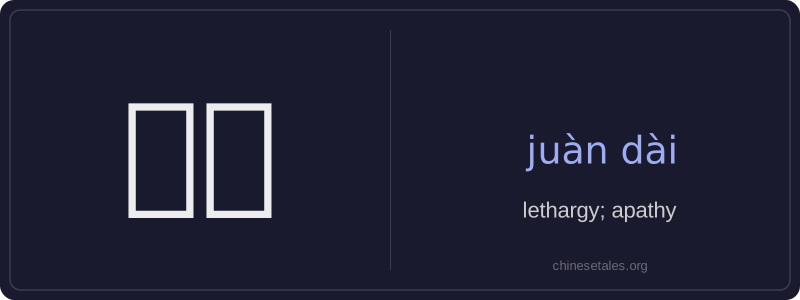
‘倦怠’ (juàn dài) is a compound noun meaning a deep, persistent state of physical and mental exhaustion — often accompanied by lack of motivation, emotional detachment, or indifference. The first character 倦 means 'tired' or 'weary', emphasizing fatigue that goes beyond simple tiredness; the second character 怠 means 'negligent', 'slack', or 'apathetic', adding a psychological dimension of diminished engagement or care. Together, they describe a condition where both body and mind feel drained and unresponsive — commonly used in medical, psychological, and workplace contexts to signal burnout or chronic fatigue.
This word carries a slightly formal or literary tone and appears frequently in health reports, clinical discussions, and self-reflection about well-being. It’s more serious than casual terms like 累 (lèi, 'tired') and implies an ongoing, debilitating state rather than temporary weariness. While it can describe personal feelings, it’s also used objectively — for example, doctors may diagnose ‘慢性倦怠’ (chronic lethargy) as a symptom of underlying conditions.
Example Sentences
Related Words
国语
‘Guó yǔ’ literally means 'national language'—
无论谁
‘无论谁’ (wú lùn shéi) is a pronoun meaning
外语
‘外语’ literally means ‘outside language’ —
不对
不对 (bù duì) literally combines 不 (bù), meani
违规
违规 (wéi guī) literally means 'to violate rules
亲笔
‘亲笔’ literally means ‘one’s own hand’—comb
我的
我的 (wǒ de) is a possessive pronoun meaning 'my'
面条
‘面条’ (miàn tiáo) literally means ‘flour str