Word Explanation
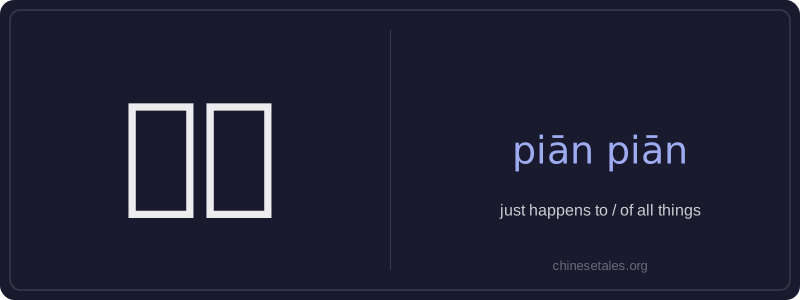
'Piān piān' is an adverb expressing ironic or frustrating coincidence — something unexpected, inconvenient, or contrary to expectation just happens to occur. Though both characters mean 'biased' or 'off-center' individually, together they form an emphatic expression of paradoxical timing or selection: as if fate deliberately chose this particular moment or option, often to the speaker’s dismay. It typically appears before a verb or adjective and adds emotional color — disappointment, annoyance, surprise, or wry resignation.
This word is common in spoken Mandarin and informal writing, especially when narrating personal experiences or complaints. It often implies contrast with what was hoped for, expected, or logically preferred. For example, if you finally decide to take a day off, and that’s the one day your boss needs you — that’s a classic 'piān piān' situation. It’s not about literal bias but about the emotional weight of ill-timed coincidence.
Example Sentences
Related Words
国语
‘Guó yǔ’ literally means 'national language'—
无论谁
‘无论谁’ (wú lùn shéi) is a pronoun meaning
外语
‘外语’ literally means ‘outside language’ —
不对
不对 (bù duì) literally combines 不 (bù), meani
违规
违规 (wéi guī) literally means 'to violate rules
亲笔
‘亲笔’ literally means ‘one’s own hand’—comb
我的
我的 (wǒ de) is a possessive pronoun meaning 'my'
面条
‘面条’ (miàn tiáo) literally means ‘flour str