Word Explanation
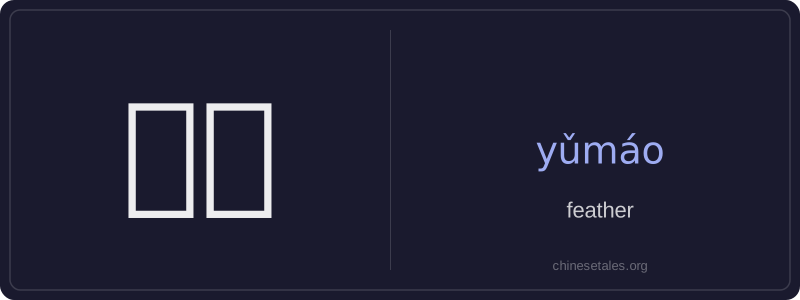
‘羽毛’ (yǔmáo) literally combines ‘羽’ (yǔ), meaning ‘feather’ or ‘wing’, and ‘毛’ (máo), meaning ‘hair’ or ‘down’. Together, they refer specifically to the soft, lightweight, keratin-based structures that cover the bodies of birds—used for flight, insulation, and display. Unlike general terms like ‘毛’ (which can mean human hair or animal fur), ‘羽毛’ is exclusively used for avian feathers and carries no colloquial or figurative meanings in standard usage.
This word appears frequently in biology, nature writing, and everyday descriptions of birds. It’s a standard, neutral-term noun—neither formal nor slang—and is often paired with measure words like ‘根’ (gēn, for individual feathers) or ‘片’ (piàn, for flat, broad feathers). You’ll also see it in compound words like ‘羽毛球场’ (yǔmáo qiú chǎng, badminton court), where it evokes the shuttlecock’s feathered construction.
Example Sentences
Related Words
国语
‘Guó yǔ’ literally means 'national language'—
面条
‘面条’ (miàn tiáo) literally means ‘flour str
无论谁
‘无论谁’ (wú lùn shéi) is a pronoun meaning
背后
背后 literally means 'back + behind' and functions
外语
‘外语’ literally means ‘outside language’ —
认同
‘认同’ (tóng rèn) is a verb meaning ‘to ident
中学
'Zhōngxué' literally combines 'zhōng' (middle)
认为
‘认为’ (rèn wéi) is a transitive verb meaning