Word Explanation
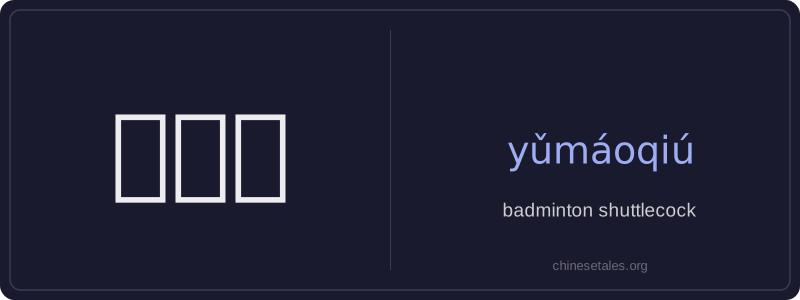
‘羽毛球’ literally means ‘feather ball’ — combining 羽 (yǔ, ‘feather’ or ‘plume’), 毛 (máo, ‘hair’ or ‘downy feather’), and 球 (qiú, ‘ball’). Though it contains animal-related characters, the word refers specifically to the shuttlecock used in the sport of badminton — a lightweight projectile with a rounded cork base and a skirt of goose or duck feathers (or synthetic materials). Historically, real feathers were essential for flight stability and control, linking the term directly to avian anatomy.
The word is used exclusively for the shuttlecock itself, not the sport (which is also called 羽毛球, but context determines meaning — e.g., ‘打羽毛球’ means ‘to play badminton’, while ‘换一个羽毛球’ means ‘change a shuttlecock’). It’s a common sight in gyms, parks, and school PE classes across China, and appears frequently in sports equipment listings, match commentary, and casual conversation about recreational activity.
Example Sentences
Related Words
国语
‘Guó yǔ’ literally means 'national language'—
面条
‘面条’ (miàn tiáo) literally means ‘flour str
无论谁
‘无论谁’ (wú lùn shéi) is a pronoun meaning
背后
背后 literally means 'back + behind' and functions
外语
‘外语’ literally means ‘outside language’ —
认同
‘认同’ (tóng rèn) is a verb meaning ‘to ident
中学
'Zhōngxué' literally combines 'zhōng' (middle)
认为
‘认为’ (rèn wéi) is a transitive verb meaning