Word Explanation
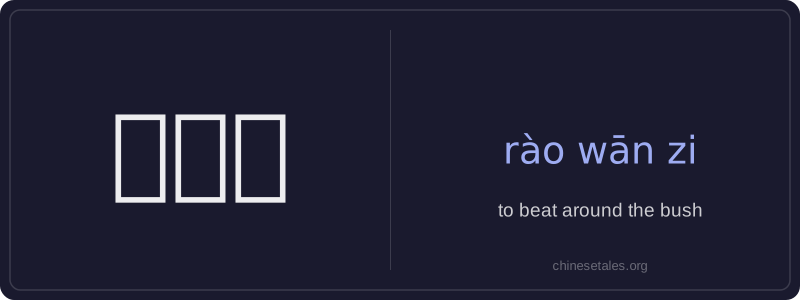
‘绕弯子’ literally means ‘to go around bends’ — combining 绕 (to circle, to avoid directly), 弯 (a bend or curve), and 子 (a nominal suffix). Figuratively, it describes speaking evasively, avoiding the main point, or using indirect language instead of being straightforward. It often implies intentional vagueness — perhaps to soften bad news, avoid offense, delay a decision, or hide true intentions.
This expression is commonly used in everyday spoken Chinese, especially in conversations where honesty or clarity is expected but withheld. It carries a mildly negative or teasing connotation: the speaker may be perceived as untrustworthy, overly cautious, or unnecessarily complicated. While not formal, it’s widely understood across age groups and regions, and frequently appears in dialogues, TV dramas, and informal writing.
Example Sentences
Related Words
国语
‘Guó yǔ’ literally means 'national language'—
无论谁
‘无论谁’ (wú lùn shéi) is a pronoun meaning
外语
‘外语’ literally means ‘outside language’ —
面条
‘面条’ (miàn tiáo) literally means ‘flour str
认同
‘认同’ (tóng rèn) is a verb meaning ‘to ident
违规
违规 (wéi guī) literally means 'to violate rules
亲笔
‘亲笔’ literally means ‘one’s own hand’—comb
不对
不对 (bù duì) literally combines 不 (bù), meani