Word Explanation
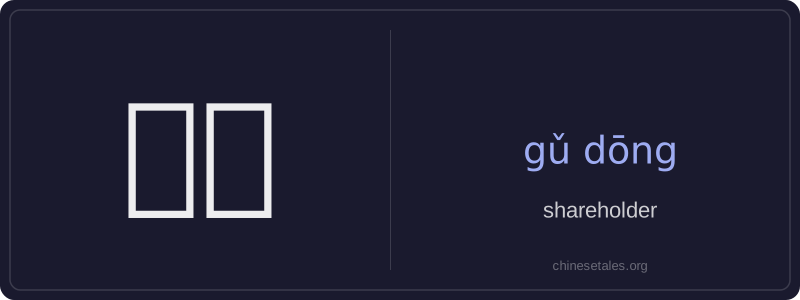
‘股东’ (gǔ dōng) literally combines ‘股’ (gǔ), meaning ‘share’ or ‘stock’, and ‘东’ (dōng), which here means ‘owner’ or ‘master’ — historically derived from ‘东家’ (dōngjiā), a respectful term for the head of a household or business. Together, the word refers to a person or entity that owns at least one share of a company’s stock and thus holds partial ownership and certain rights, such as voting in shareholder meetings or receiving dividends.
This term is used exclusively in formal, business, and legal contexts — you’ll encounter it in corporate reports, news about company mergers, investment discussions, or official documents like articles of incorporation. Unlike casual terms for ‘owner’, 股东 implies a legally recognized stake in a registered enterprise, not just informal control or management. It applies equally to individuals and institutions (e.g., pension funds or other companies) holding equity.
Example Sentences
Related Words
国语
‘Guó yǔ’ literally means 'national language'—
无论谁
‘无论谁’ (wú lùn shéi) is a pronoun meaning
外语
‘外语’ literally means ‘outside language’ —
面条
‘面条’ (miàn tiáo) literally means ‘flour str
认同
‘认同’ (tóng rèn) is a verb meaning ‘to ident
违规
违规 (wéi guī) literally means 'to violate rules
亲笔
‘亲笔’ literally means ‘one’s own hand’—comb
不对
不对 (bù duì) literally combines 不 (bù), meani