Word Explanation
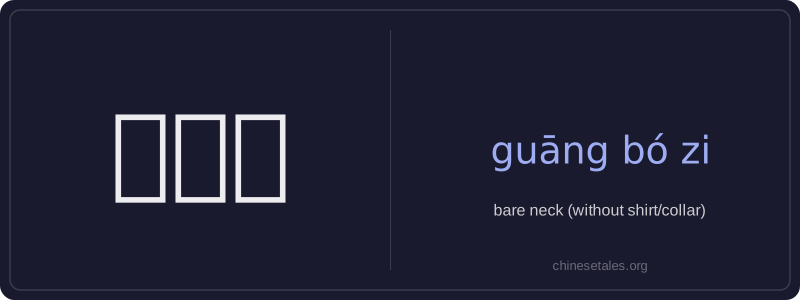
‘光脖子’ literally means 'bare neck' — a colloquial noun describing the state of having one’s neck fully exposed, typically because no shirt, collar, or upper garment is worn. The character 光 (guāng) here functions as an adjective meaning 'bare' or 'uncovered', not 'light'; 脖 (bó) means 'neck'; and 子 (zi) is a common nominal suffix that turns the phrase into a concrete, informal noun. It emphasizes visual exposure rather than temperature or intention — for example, someone might be described as ‘光脖子’ even indoors if they’re wearing only a sleeveless top or no top at all.
This term is frequently used in everyday spoken Mandarin, especially when commenting on dress, weather-appropriateness, or child behavior (e.g., toddlers running around without shirts). It carries a mild, slightly affectionate or teasing tone — not clinical or judgmental — and rarely appears in formal writing. While it can apply to animals (e.g., a bare-necked chicken), its primary usage is human-centered and situational, tied to clothing choices and daily life contexts like home, play, or summer outings.
Example Sentences
Related Words
国语
‘Guó yǔ’ literally means 'national language'—
无论谁
‘无论谁’ (wú lùn shéi) is a pronoun meaning
外语
‘外语’ literally means ‘outside language’ —
亲笔
‘亲笔’ literally means ‘one’s own hand’—comb
面条
‘面条’ (miàn tiáo) literally means ‘flour str
认同
‘认同’ (tóng rèn) is a verb meaning ‘to ident
短袜
‘短袜’ (duǎn wà) literally means ‘short sock
规范
规范 (guīfàn) is a versatile word meaning 'stand