Word Explanation
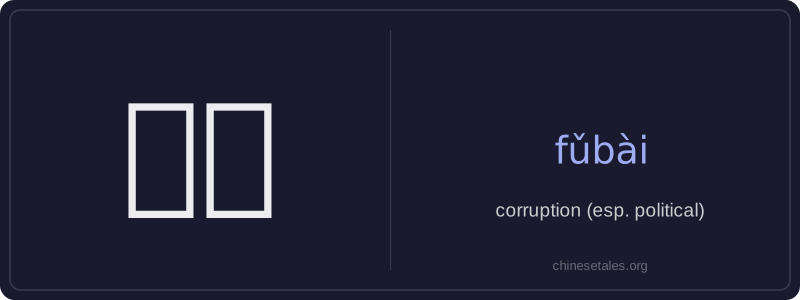
腐败 (fǔbài) literally combines 腐 (fǔ), meaning 'rotten' or 'decayed', and 败 (bài), meaning 'to fail' or 'to deteriorate'. Together, they describe a state of moral, institutional, or systemic decay — especially the abuse of power for personal gain. While it can refer to physical rotting (e.g., spoiled food), its dominant modern usage is political or organizational: bribery, embezzlement, nepotism, or abuse of authority by officials or institutions.
The term carries strong negative connotations and appears frequently in official discourse, news media, and anti-corruption campaigns in China. It implies not just individual wrongdoing but systemic weakness and loss of public trust. Unlike neutral terms like 'misconduct', 腐败 suggests deep-rooted, entrenched degradation requiring structural reform — much like organic decay that spreads if left untreated.
Example Sentences
Related Words
国语
‘Guó yǔ’ literally means 'national language'—
无论谁
‘无论谁’ (wú lùn shéi) is a pronoun meaning
外语
‘外语’ literally means ‘outside language’ —
亲笔
‘亲笔’ literally means ‘one’s own hand’—comb
面条
‘面条’ (miàn tiáo) literally means ‘flour str
认同
‘认同’ (tóng rèn) is a verb meaning ‘to ident
短袜
‘短袜’ (duǎn wà) literally means ‘short sock
规范
规范 (guīfàn) is a versatile word meaning 'stand