Word Explanation
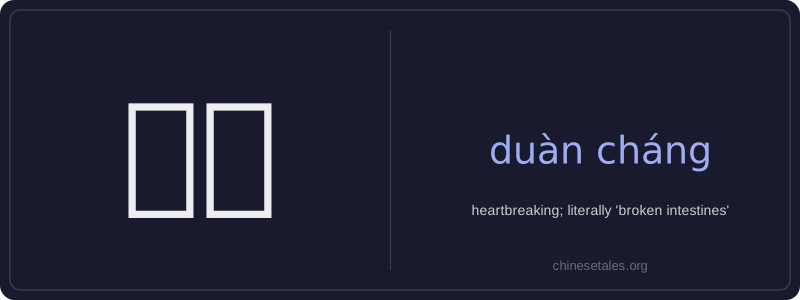
‘断肠’ is a classical Chinese idiom meaning deeply heartbreaking or agonizingly sorrowful—so painful it feels as if one’s intestines are breaking. Literally, 断 (duàn) means 'to break' or 'to sever', and 肠 (cháng) means 'intestine' or 'bowel'; together, they evoke visceral, physical pain caused by intense emotional suffering, especially grief, longing, or despair.
This expression originates from ancient poetry and remains common in literary, poetic, and formal contexts today. It is rarely used in casual speech but appears frequently in songs, novels, and emotional speeches to intensify the gravity of loss or unrequited love. While vivid and evocative, it carries strong dramatic weight—using it in everyday conversation (e.g., over minor disappointments) would sound exaggerated or theatrical.
Example Sentences
Related Words
国语
‘Guó yǔ’ literally means 'national language'—
无论谁
‘无论谁’ (wú lùn shéi) is a pronoun meaning
外语
‘外语’ literally means ‘outside language’ —
亲笔
‘亲笔’ literally means ‘one’s own hand’—comb
面条
‘面条’ (miàn tiáo) literally means ‘flour str
认同
‘认同’ (tóng rèn) is a verb meaning ‘to ident
短袜
‘短袜’ (duǎn wà) literally means ‘short sock
规范
规范 (guīfàn) is a versatile word meaning 'stand