Word Explanation
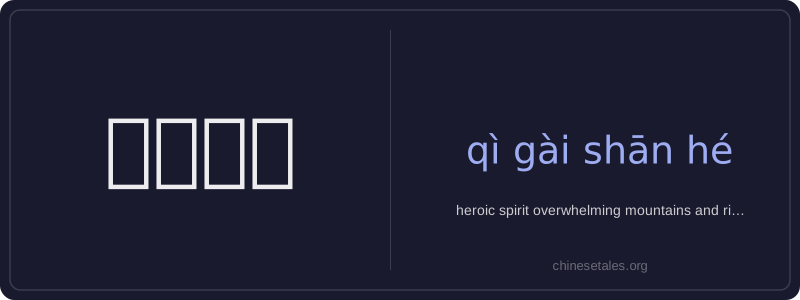
‘气盖山河’ (qì gài shān hé) is a classical, literary idiom describing an awe-inspiring, heroic spirit so powerful it seems to overshadow mountains and rivers — natural symbols of grandeur and permanence in Chinese culture. Literally, ‘气’ means ‘spirit’ or ‘vital energy’, ‘盖’ means ‘to cover’ or ‘to surpass’, and ‘山河’ means ‘mountains and rivers’, collectively representing the vastness and majesty of the land.
This phrase evokes overwhelming charisma, unyielding courage, or commanding presence — often used to praise historical heroes, legendary warriors, or exceptional leaders. It appears almost exclusively in formal writing, poetry, historical narratives, or rhetorical speeches; it’s not used in casual conversation. Though vivid and evocative, it carries strong connotations of traditional Confucian and martial ideals, and is typically reserved for extraordinary individuals or moments of great moral or physical fortitude.
Example Sentences
Related Words
国语
‘Guó yǔ’ literally means 'national language'—
无论谁
‘无论谁’ (wú lùn shéi) is a pronoun meaning
外语
‘外语’ literally means ‘outside language’ —
亲笔
‘亲笔’ literally means ‘one’s own hand’—comb
认同
‘认同’ (tóng rèn) is a verb meaning ‘to ident
短袜
‘短袜’ (duǎn wà) literally means ‘short sock
违规
违规 (wéi guī) literally means 'to violate rules
我的
我的 (wǒ de) is a possessive pronoun meaning 'my'