Word Explanation
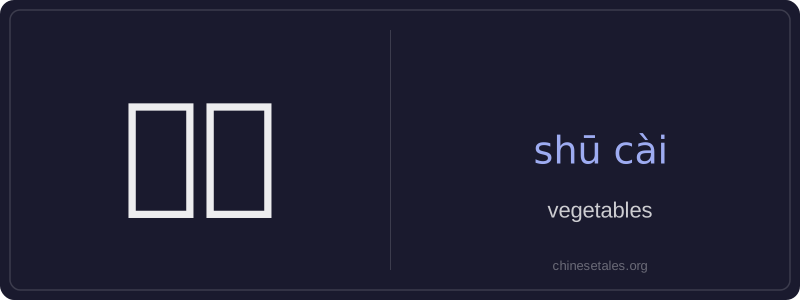
蔬菜 (shūcài) literally combines two characters: 蔬 (shū), meaning 'herbaceous plant' or 'edible leafy/stem vegetable', and 菜 (cài), meaning 'dish' or 'edible plant'. Together, they refer broadly to edible plants consumed as part of a meal — including leafy greens (like spinach and lettuce), root vegetables (like carrots and potatoes), fruiting vegetables (like tomatoes and cucumbers), and flowering vegetables (like broccoli). Unlike the English word 'vegetable', which can sometimes include fungi (e.g., mushrooms), 蔬菜 strictly refers to plant-based foods grown for human consumption.
This term is commonly used in everyday contexts such as grocery shopping, cooking, nutrition advice, and health discussions. It appears frequently in compound words like 蔬菜市场 (shūcài shìchǎng, 'vegetable market') and 新鲜蔬菜 (xīnxiān shūcài, 'fresh vegetables'). While 菜 alone can mean 'vegetable' in casual speech, 蔬菜 is the standard, unambiguous term used in formal writing, menus, labels, and health guidelines.
Example Sentences
Related Words
国语
‘Guó yǔ’ literally means 'national language'—
无论谁
‘无论谁’ (wú lùn shéi) is a pronoun meaning
外语
‘外语’ literally means ‘outside language’ —
亲笔
‘亲笔’ literally means ‘one’s own hand’—comb
认同
‘认同’ (tóng rèn) is a verb meaning ‘to ident
短袜
‘短袜’ (duǎn wà) literally means ‘short sock
违规
违规 (wéi guī) literally means 'to violate rules
我的
我的 (wǒ de) is a possessive pronoun meaning 'my'