Word Explanation
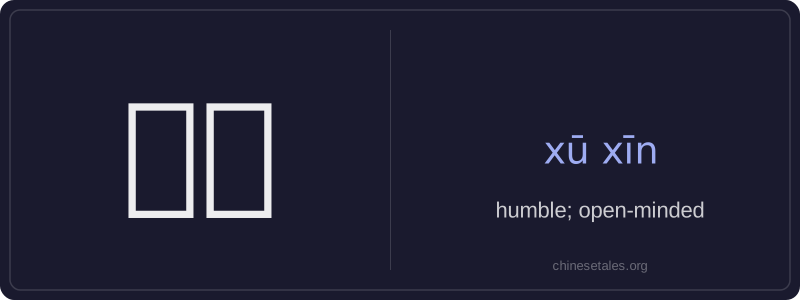
虚心 (xū xīn) literally means 'empty heart' — combining 虚 (xū, 'empty, humble, not full') and 心 (xīn, 'heart, mind'). This evokes the image of an open, uncluttered mind ready to receive new ideas — like an empty vessel that can be filled. It describes a person who is modest about their own knowledge or abilities and genuinely willing to listen, learn, and accept feedback without defensiveness.
The term carries strong positive cultural weight in Chinese, especially in educational, professional, and interpersonal contexts. It’s often praised in teachers’ comments, leadership training, and self-reflection. While it can describe a temporary attitude ('be humble now'), it more commonly reflects a stable, admirable personal quality — similar to 'open-mindedness' in English, but with deeper connotations of moral humility and intellectual receptivity.
Example Sentences
Related Words
国语
‘Guó yǔ’ literally means 'national language'—
无论谁
‘无论谁’ (wú lùn shéi) is a pronoun meaning
外语
‘外语’ literally means ‘outside language’ —
亲笔
‘亲笔’ literally means ‘one’s own hand’—comb
面条
‘面条’ (miàn tiáo) literally means ‘flour str
认同
‘认同’ (tóng rèn) is a verb meaning ‘to ident
短袜
‘短袜’ (duǎn wà) literally means ‘short sock
规范
规范 (guīfàn) is a versatile word meaning 'stand