Word Explanation
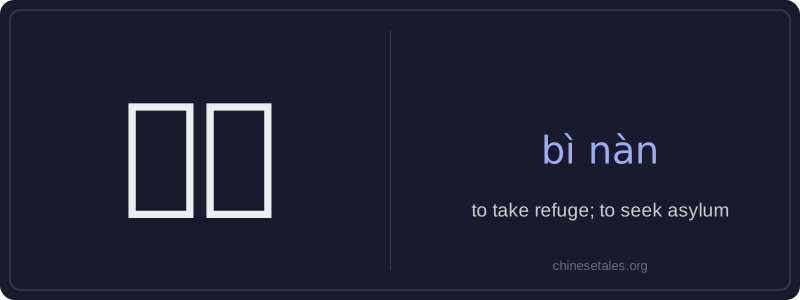
避难 (bì nàn) literally combines 避 (bì, 'to avoid, evade') and 难 (nàn, 'calamity, disaster, hardship'). Together, it means 'to take refuge' or 'to seek asylum'—specifically to flee danger and find safety, often during emergencies like earthquakes, fires, wars, or persecution. It emphasizes intentional movement to a secure location, not just passive safety.
This verb is commonly used in formal, news-related, or humanitarian contexts—such as government announcements about evacuation routes, refugee policies, or disaster preparedness. While it can describe individual action ('they fled to the mountains to 避难'), it’s frequently used with collective subjects or institutions ('the city opened shelters for those seeking to 避难'). Unlike more general terms like 躲 (duǒ, 'to hide'), 避难 implies structured, purposeful relocation for survival or legal protection.
Example Sentences
Related Words
国语
‘Guó yǔ’ literally means 'national language'—
无论谁
‘无论谁’ (wú lùn shéi) is a pronoun meaning
不对
不对 (bù duì) literally combines 不 (bù), meani
外语
‘外语’ literally means ‘outside language’ —
违规
违规 (wéi guī) literally means 'to violate rules
亲笔
‘亲笔’ literally means ‘one’s own hand’—comb
我的
我的 (wǒ de) is a possessive pronoun meaning 'my'
短袜
‘短袜’ (duǎn wà) literally means ‘short sock