Word Explanation
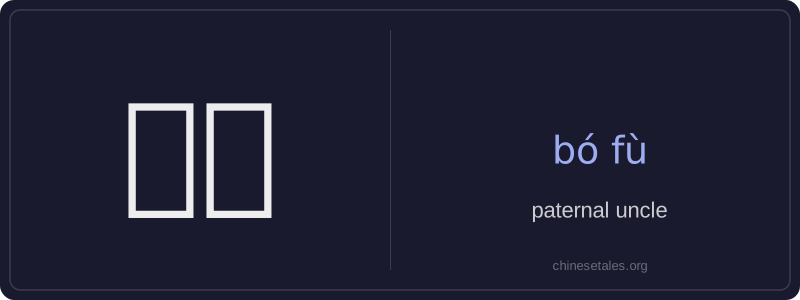
‘Bófù’ (伯父) is a respectful term for one’s father’s older brother. The first character ‘bó’ (伯) means ‘eldest’ or ‘first-born’ and historically denotes seniority among brothers; the second character ‘fù’ (父) means ‘father’. Together, they literally convey ‘elder father’ — emphasizing both familial relationship and hierarchical respect within traditional Chinese kinship. This term reflects Confucian values of age-based hierarchy and filial reverence.
‘Bófù’ is used in direct address (e.g., when speaking to him) or third-person reference (e.g., talking about him to others). It is never used for maternal uncles — those are called ‘jiùfu’ (舅父) or ‘jiùjiu’ (舅舅). In modern urban families, some younger speakers may use ‘bófù’ more loosely for any paternal uncle, but strictly speaking, it applies only to the eldest brother of one’s father. Honorifics like this remain common in formal family settings, holiday gatherings, and written communication such as letters or wedding invitations.
Example Sentences
Related Words
国语
‘Guó yǔ’ literally means 'national language'—
无论谁
‘无论谁’ (wú lùn shéi) is a pronoun meaning
外语
‘外语’ literally means ‘outside language’ —
不对
不对 (bù duì) literally combines 不 (bù), meani
违规
违规 (wéi guī) literally means 'to violate rules
亲笔
‘亲笔’ literally means ‘one’s own hand’—comb
我的
我的 (wǒ de) is a possessive pronoun meaning 'my'
面条
‘面条’ (miàn tiáo) literally means ‘flour str