Word Explanation
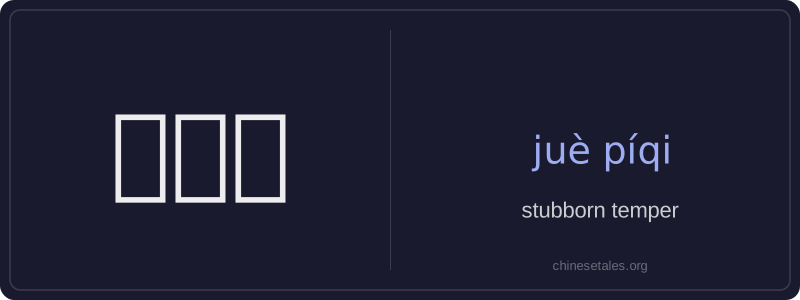
'Juè píqi' literally combines 倔 (stubborn, obstinate), 脾 (spleen — historically linked to temperament in Chinese medicine and idioms), and 气 (vital energy or disposition). Together, it refers to a deeply ingrained, inflexible temper — not just momentary annoyance, but a habitual resistance to advice, compromise, or change. It carries a slightly negative or affectionate-exasperated tone, often used when describing someone who digs in their heels despite good reasons to yield.
This term is commonly applied to children, elders, or strong-willed individuals whose stubbornness feels like part of their core personality. Unlike the neutral 'stubbornness' (固执), 倔脾气 implies emotional reactivity — the person may sulk, refuse to speak, or act impulsively when challenged. It’s frequently heard in family contexts or casual speech, rarely in formal writing.
Example Sentences
Related Words
国语
‘Guó yǔ’ literally means 'national language'—
无论谁
‘无论谁’ (wú lùn shéi) is a pronoun meaning
外语
‘外语’ literally means ‘outside language’ —
不对
不对 (bù duì) literally combines 不 (bù), meani
违规
违规 (wéi guī) literally means 'to violate rules
亲笔
‘亲笔’ literally means ‘one’s own hand’—comb
我的
我的 (wǒ de) is a possessive pronoun meaning 'my'
面条
‘面条’ (miàn tiáo) literally means ‘flour str