Word Explanation
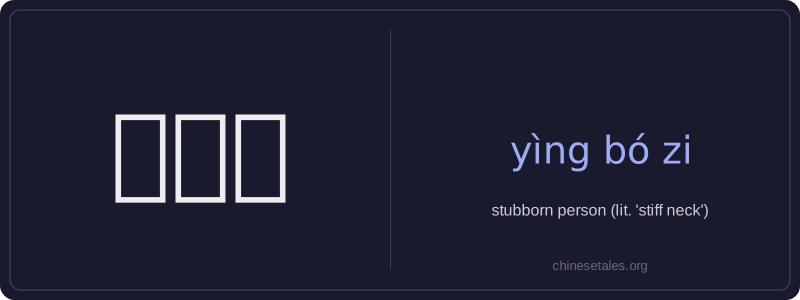
'Hard neck' is a vivid, metaphorical idiom describing a person who is stubborn, inflexible, or unwilling to yield—even when presented with good reasons or advice. The character 硬 (yìng) means 'hard' or 'stiff', 脖 (bó) means 'neck', and 子 (zi) is a common noun suffix. Literally, it evokes the image of someone physically stiffening their neck in defiance, refusing to bow or turn—a gesture of resistance deeply embedded in Chinese body language and cultural expression.
This term is informal and slightly colloquial, often used in everyday speech or light storytelling. It carries mild disapproval or gentle teasing rather than harsh criticism; parents might call a headstrong child a 硬脖子, and friends may joke about each other’s 硬脖子 tendencies during disagreements. While not vulgar, it’s rarely used in formal writing or respectful address—avoid applying it to superiors or elders without appropriate context or tone.
Example Sentences
Related Words
国语
‘Guó yǔ’ literally means 'national language'—
无论谁
‘无论谁’ (wú lùn shéi) is a pronoun meaning
外语
‘外语’ literally means ‘outside language’ —
亲笔
‘亲笔’ literally means ‘one’s own hand’—comb
面条
‘面条’ (miàn tiáo) literally means ‘flour str
认同
‘认同’ (tóng rèn) is a verb meaning ‘to ident
短袜
‘短袜’ (duǎn wà) literally means ‘short sock
规范
规范 (guīfàn) is a versatile word meaning 'stand