Word Explanation
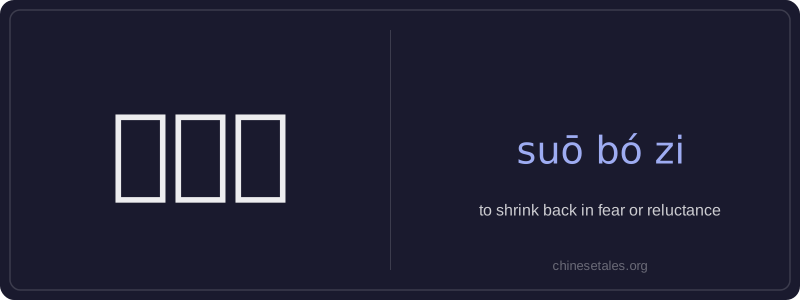
'缩脖子' literally means 'to shrink the neck' and is a vivid, idiomatic verb describing the physical gesture of pulling one’s head down into the shoulders — typically as an instinctive reaction to fear, cold, embarrassment, or reluctance. The character 缩 (suō) means 'to contract' or 'to draw back'; 脖 (bó) means 'neck'; and 子 (zi) is a common noun suffix that makes the phrase colloquial and concrete. Together, they evoke a whole-body expression of withdrawal or self-protection.
This phrase is used almost exclusively in informal spoken Chinese and carries strong emotional connotations — often implying timidity, avoidance, or unwillingness to face something uncomfortable. It's frequently used in storytelling, dialogue, or descriptive writing to convey subtle psychological states without naming emotions directly. While not vulgar, it’s rarely found in formal writing or official speech, and it’s especially common when describing children, animals, or people reacting spontaneously to surprise or disapproval.
Example Sentences
Related Words
国语
‘Guó yǔ’ literally means 'national language'—
无论谁
‘无论谁’ (wú lùn shéi) is a pronoun meaning
外语
‘外语’ literally means ‘outside language’ —
亲笔
‘亲笔’ literally means ‘one’s own hand’—comb
面条
‘面条’ (miàn tiáo) literally means ‘flour str
认同
‘认同’ (tóng rèn) is a verb meaning ‘to ident
短袜
‘短袜’ (duǎn wà) literally means ‘short sock
规范
规范 (guīfàn) is a versatile word meaning 'stand