Word Explanation
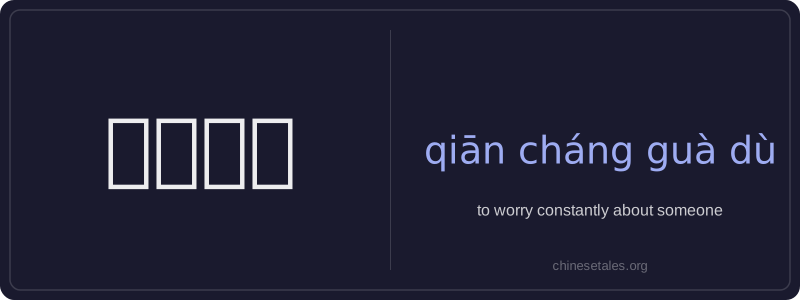
‘牵肠挂肚’ is a vivid, idiomatic verb meaning to worry constantly and deeply about someone—often a loved one—so much that it feels as if your intestines (肠) and stomach (肚) are being tugged (牵) and hung (挂). The imagery evokes physical discomfort caused by emotional concern, emphasizing intensity and persistence. Though literally referring to internal organs, the phrase is purely figurative and never used for literal bodily sensations.
This expression is most commonly used in spoken and written Chinese when describing parental anxiety, romantic longing, or familial care—especially over someone who is absent, traveling, ill, or facing danger. It carries warmth and tenderness, not just stress; the worry stems from deep affection and responsibility. It’s slightly literary but still widely understood and used in everyday speech, especially among older generations or in emotionally expressive contexts.
Example Sentences
Related Words
国语
‘Guó yǔ’ literally means 'national language'—
无论谁
‘无论谁’ (wú lùn shéi) is a pronoun meaning
外语
‘外语’ literally means ‘outside language’ —
亲笔
‘亲笔’ literally means ‘one’s own hand’—comb
面条
‘面条’ (miàn tiáo) literally means ‘flour str
认同
‘认同’ (tóng rèn) is a verb meaning ‘to ident
短袜
‘短袜’ (duǎn wà) literally means ‘short sock
规范
规范 (guīfàn) is a versatile word meaning 'stand