Word Explanation
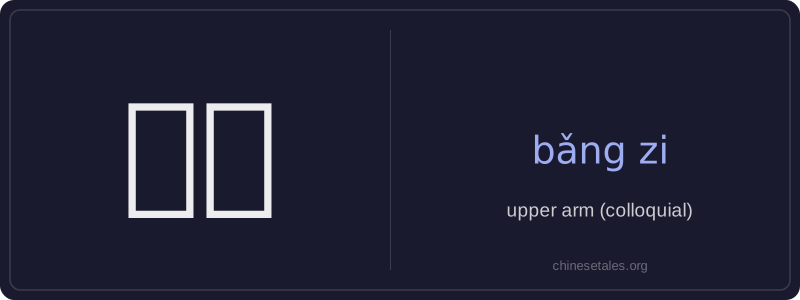
膀子 (bǎng zi) is a colloquial, informal noun meaning 'upper arm'—specifically the part from the shoulder to the elbow. Though it contains the character 膀 (bǎng), which appears in formal terms like 肩膀 (jiān bǎng, 'shoulder') and refers to the shoulder or upper arm region, the addition of the diminutive suffix 子 (zi) makes 膀子 sound more casual and conversational. It’s commonly used in spoken Mandarin, especially in northern dialects and everyday speech, but rarely appears in formal writing or medical contexts.
This word emphasizes physical strength, movement, or bodily sensation—for example, when describing soreness, muscular effort, or visible muscle definition. Unlike the more neutral and standard term 上臂 (shàng bì), 膀子 carries a folksy, down-to-earth tone and often appears in idiomatic expressions or descriptive phrases involving exertion, labor, or physical appearance.
Example Sentences
Related Words
国语
‘Guó yǔ’ literally means 'national language'—
无论谁
‘无论谁’ (wú lùn shéi) is a pronoun meaning
外语
‘外语’ literally means ‘outside language’ —
亲笔
‘亲笔’ literally means ‘one’s own hand’—comb
面条
‘面条’ (miàn tiáo) literally means ‘flour str
认同
‘认同’ (tóng rèn) is a verb meaning ‘to ident
短袜
‘短袜’ (duǎn wà) literally means ‘short sock
规范
规范 (guīfàn) is a versatile word meaning 'stand